





.png?width=209&height=314&name=Blog%20Portrait%20(14).png)
Most investors think about real estate one property at a time. Will this deal cash flow? What's the vacancy rate in this market?
Those are good questions, but they're only considering the short game. It’s time to go a little deeper, to think a little more long-term. If you’re reading this, you either are or want to be a buy-and-hold investor.
So think about what comes in the next five, ten, fifteen years and beyond.
If you’re still on your first few properties, you might not know where to begin. In our experience, this is what buy-and-hold SFR investors can expect over the years:
Year 1 & 2: The Foundation
Every portfolio starts with a single property.
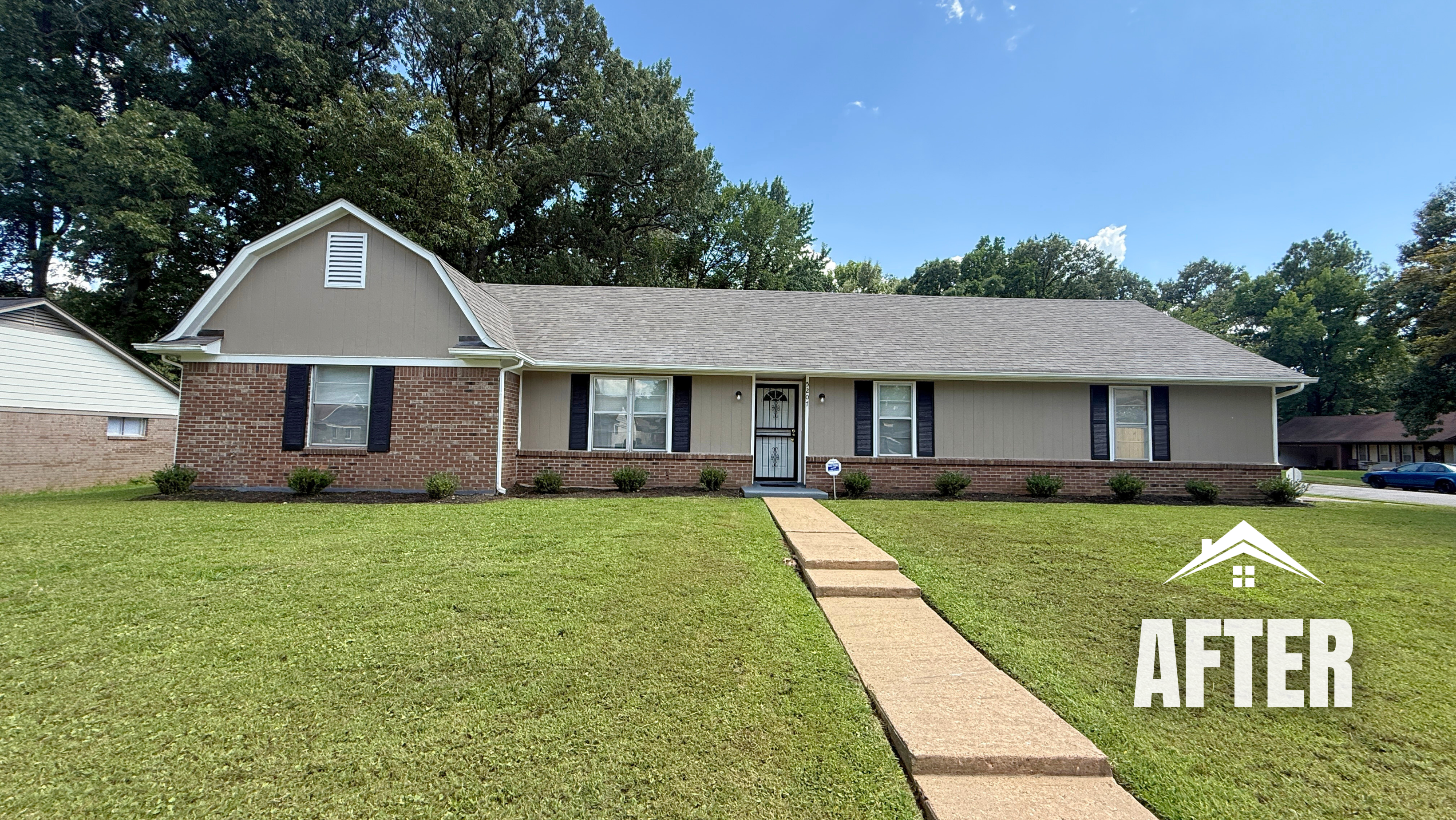
Say you close on your first SFR at age 35 — a single-family home in a stable Midwest or Southern market, purchased for $150,000 with a 20% down payment. Rent covers the mortgage, taxes, insurance, and management fees, plus modest monthly cash flow. It’s nothing earth-shattering, but it’s a real asset generating income while you sleep, with someone else paying down the loan.
At this stage, the monthly cash flow isn’t amazing on paper. What matters is that you own an appreciating asset, you're building equity every month, and you haven't had to do anything to make it happen. Now, your job is patience.
Years 3–7: Momentum Builds
As equity accumulates through appreciation, mortgage paydown, and property improvements made during the renovation process, new options open up. Refinancing or tapping that equity can free up capital for a second property. Cash flow from property one helps absorb the acquisition costs on property two.
By year five, a disciplined investor can reasonably hold two or three properties. Each one adds another income stream, another depreciating asset for tax purposes, and another line on your net worth statement. Cash flow from existing properties funds the next acquisition, and equity in one property supports financing on another. The portfolio starts to carry itself forward.
This isn't hypothetical — it's why 71% of REI Nation clients purchase additional properties within their first year, and why 31% go on to hold three or more.
Further Reading: What Passive Real Estate Investors Must Do Before Scaling Their Portfolio
Years 8–15: Scaling With Intention
By the ten-year mark, an investor who started with one property and acquired deliberately might hold four to six SFRs across one or two markets. The dollar picture at that point looks materially different from year one.
Think about this illustration: holding five properties, each purchased at an average of $150,000, appreciating over a decade. At a conservative 3% annually — below historical norms in many South and Midwest markets — each property is now worth roughly $200,000. Combined portfolio value approaches $1 million, built largely on leverage and time.
Meanwhile, mortgages on the earlier properties are several years into repayment, equity is substantial, and the monthly cash flow across the portfolio has become a serious income stream. The tax advantages, such as depreciation and deductible expenses, have been working in the background the entire time, reducing taxable income year after year. Maybe you even did a 1031 Exchange or two, deferring capital gains taxes.
And if you’re operating within an SDIRA, the tax benefits are even bigger.
Years 15–20: The Picture Comes Into Focus
At the 20-year mark, properties acquired early may be significantly or fully paid down, converting what started as modest monthly cash flow into a much larger income stream with no mortgage offsetting it.
Portfolio net worth, across five to eight properties, could reasonably reach $1.5 to $2 million under conservative appreciation assumptions. (These figures are illustrative — actual returns will vary based on market, financing, and management.)
At that point, investors can hold for income, sell strategically, execute a 1031 exchange into larger assets, or pass properties to the next generation.
What It Actually Takes to Reach Year 20
None of this requires a perfect entry point or a gift for predicting the next hot market. It requires buying sound properties in stable markets, trusting competent property management to handle day-to-day operations, and holding through the rough patches every market cycle brings.
REI Nation has spent over 20 years helping investors build exactly this kind of portfolio.
The investors we've watched get there weren't exceptional — they were consistent.
Talk with a REI Nation portfolio advisor about what your 20-year picture could look like.


.png)